Aluminum Casting core elements outlined in a smooth write-up
Wiki Article
The Significance of Metal Shops: A Thorough Review of Their Influence On Manufacturing
Metal factories are important to the manufacturing landscape. They transform basic materials right into elements that offer diverse sectors, from automobile to aerospace. Their experience in alloy formula and spreading strategies assures the manufacturing of long lasting components. However, the industry faces difficulties that might improve its future. Understanding these characteristics exposes the true importance of factories in financial and technical contexts. What lies ahead for this vital field?The Duty of Metal Shops in the Manufacturing Process
Commonly forgotten, steel factories play an essential duty in the manufacturing process by transforming raw steels right into functional elements. These centers concentrate on melting numerous metals, such as iron, aluminum, and bronze, and putting them into molds to create parts for diverse sectors. The procedure begins with the careful choice of raw products, making certain that only the highest possible quality steels are used. When thawed, the metal tackles the form of the mold, strengthening into parts that fulfill particular design and efficiency requirements.Steel factories add significantly to fields like vehicle, aerospace, and building and construction by giving necessary components such as engine blocks, gears, and architectural supports. Their know-how in alloy formula and spreading techniques allows suppliers to produce complex styles while keeping toughness and durability. Subsequently, metal foundries not only assist in the development of important parts yet additionally enhance the general performance and capability of modern manufacturing.
Enhancing Production Performance Via Advanced Techniques
Metal factories are increasingly adopting sophisticated strategies to improve manufacturing effectiveness and meet the growing needs of different industries. The application of automation and robotics has streamlined processes, lowering hand-operated labor and boosting accuracy in steel casting procedures. In addition, the integration of computer-aided layout (CAD) and simulation software permits far better planning and optimization of production workflows, minimizing waste and lowering lead times.Lean manufacturing concepts are additionally being used to improve and remove inadequacies resource utilization. Foundries are currently focusing on energy-efficient techniques, such as using waste heat recovery systems, which even more add to set you back financial savings and ecological sustainability. By embracing these innovative methods, metal foundries are not just enhancing their operational performance but likewise improving product high quality, resulting in better customer satisfaction. As sectors continue to progress, the ability of factories to adapt to these developments will be important for maintaining competition on the market.
Technologies in Metal Casting Innovation
As the need for precision and efficiency in producing expands, developments in steel casting innovation are transforming the sector landscape. Developments such as 3D printing and computer-aided layout (CAD) are making it possible for foundries to produce complicated geometries with better precision and rate. These strategies minimize material waste and reduce lead times, fostering an extra sustainable production procedure.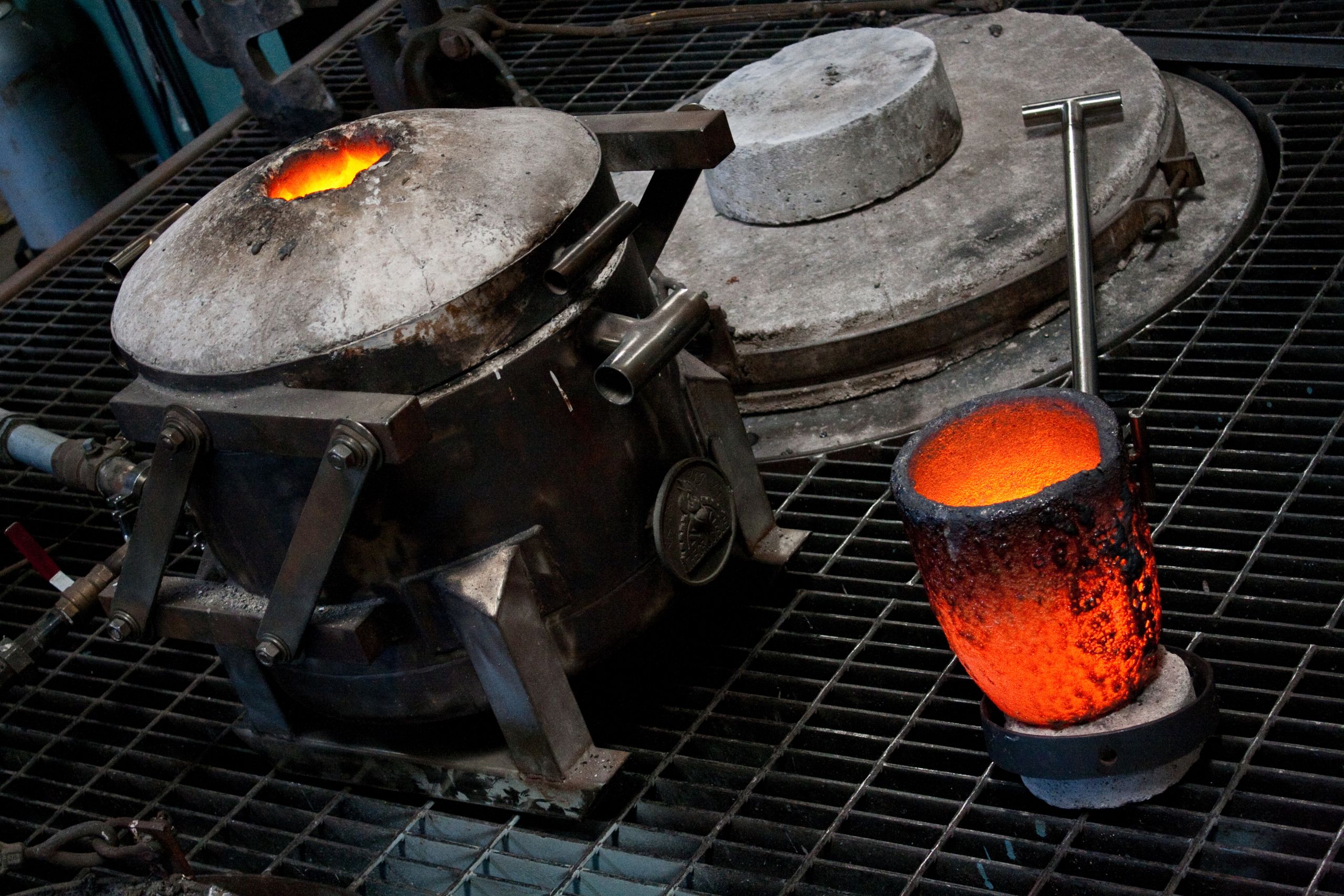
Smart factory modern technologies, consisting of the Web of Points (IoT), help with real-time surveillance and data analysis, optimizing manufacturing effectiveness and reducing downtime. Jointly, these advancements are not only boosting the capabilities of steel shops but additionally setting the phase for the future of production, identified by raised agility and responsiveness to market demands.
The Economic Influence of Metal Factories on Local and Global Markets
Steel factories play a crucial function fit economic landscapes, both in your area and internationally. They generate significant job creation possibilities and add to trade and export, bolstering total economic development. Additionally, shops sustain regional business communities, fostering interdependent relationships that improve community durability.Work Production Opportunities
Task creation in the steel foundry industry significantly affects both international and local economic climates. These facilities give many job opportunity throughout different skill levels, from skilled labor to engineering and administration placements. The need for metal parts in sectors such as vehicle, aerospace, and construction drives the demand for a robust labor force. As steel factories increase, they stimulate added task development in secondary fields, including transportation, logistics, and supply chain monitoring. Additionally, the financial stability given by factory jobs adds to neighborhood communities with increased investing and investment in facilities. Generally, the steel foundry industry's ability to develop work not only improves individual incomes however additionally reinforces regional growth and resilience, showcasing its essential function in financial advancement.
Export and Profession Contributions
A substantial section of the financial impact produced by shops originates from their payments to export and trade. Metal shops play an essential duty in supplying elements for numerous sectors, consisting of automobile, aerospace, and construction, thereby enhancing a nation's export capacities. By producing premium castings and parts, foundries allow local economic situations to contend on an international scale. The export of these products not just boosts profits but also cultivates international partnerships and trade agreements. Furthermore, shops add to a positive trade balance, which is crucial for economic stability. The export activities of metal factories boost innovation and investment, eventually reinforcing their importance in both local and international markets, driving growth and economic strength.Resident Company Assistance Solutions
While regional economies frequently take advantage of the existence of metal shops, their impact prolongs past simple task development. These facilities add significantly to neighborhood business support group by fostering a network of suppliers, company, and secondary markets. This interconnected ecological community improves economic resilience, permitting smaller services to prosper together with larger factories. In addition, steel foundries often engage in community campaigns, purchasing regional infrastructure and education and learning, which better boosts financial growth. On a broader range, the existence of factories can attract investment and talent, enhancing the area's affordable advantage in international markets. Eventually, the financial payments of steel foundries not only develop straight work however likewise grow a helpful environment for varied local ventures.Obstacles Encountering Metal Factories in the Modern Era
As the steel foundry industry advances, it deals with many difficulties that endanger its sustainability and competition. One significant issue is the boosting price of resources, which straight impacts production expenditures. Global supply chain disturbances better exacerbate this trouble, making it difficult for shops to preserve consistent operations. Furthermore, labor shortages provide a considerable obstacle, as competent workers come to be limited in a rapidly changing technological landscape.Metal foundries should compete with stringent ecological guidelines that require higher compliance costs and investment in cleaner innovations. This shift needs foundries to adjust swiftly, frequently stressing economic resources.
Last but not least, competitors useful source from automated manufacturing procedures and abroad production adds stress, forcing neighborhood factories to take the chance of or innovate obsolescence. Addressing these difficulties is crucial for the industry to flourish in a affordable and progressively complex market environment.
Sustainability Practices in Metal Establishing
In feedback to the difficulties dealt with by the sector, metal foundries are progressively taking on sustainability techniques to improve their functional effectiveness and environmental responsibility. These techniques include the application of energy-efficient innovations, such as electrical induction heating systems, which reduce power usage and greenhouse gas exhausts. Additionally, several factories are concentrating on recycling scrap metal, minimizing waste, and utilizing environmentally friendly materials to decrease their environmental impact.
Water preservation measures are also being prioritized, with systems established to recycle procedure water, thus reducing freshwater use. Furthermore, factories are purchasing employee training programs to advertise sustainable practices amongst employees, promoting a society of ecological awareness.
Future Fads in the Steel Foundry Market
Changing and arising modern technologies market demands are poised to reshape the steel factory sector in the coming years. Raising automation, driven by innovations in robotics and expert system, is anticipated to boost manufacturing effectiveness and reduce labor expenses. Aluminum Foundry. Additionally, additive production strategies, such as 3D printing, are acquiring traction, enabling for even more facility and personalized steel parts with reduced wasteSustainability will additionally play an important duty, with factories taking on greener techniques to reduce their environmental impact. The sector is likely to see a surge in using recycled materials as raw inputs, straightening with global sustainability objectives.
Furthermore, the demand for high-performance and lightweight alloys, specifically in the aerospace and vehicle industries, is expected to enhance. This advancement will demand ongoing investment in research and development, making it possible for metal factories to adjust and grow in an affordable landscape. In general, these trends are set to redefine the operational landscape of steel shops.
Frequently Asked Questions
What Kinds of Metals Are Commonly Used in Shops?
Usual metals used in shops consist of iron, copper, aluminum, and zinc. These products are preferred for their distinct properties, allowing diverse applications in sectors such Web Site as automobile, aerospace, and building and construction, contributing substantially to making processes.How Do Metal Foundries Guarantee Item Quality and Uniformity?
Metal foundries assure product quality and consistency through strenuous quality assurance actions, including exact temperature guideline, product screening, and adherence to market criteria. Routine evaluations and experienced workmanship additionally boost integrity and uniformity in production processes.What Precaution Are Implemented in Steel Foundries?
Metal foundries apply precaution such as individual safety equipment, ventilation systems, routine safety training, and stringent adherence to safety and security procedures to lessen threats. These practices aim to safeguard employees and keep a safe functioning atmosphere.What Are the Profession Opportunities in the Metal Shop Sector?
Occupation chances in the steel factory industry consist of duties such as shop workers, top quality control examiners, engineers, device operators, and management settings. These functions demand numerous skills, offering paths for innovation and expertise within the field.Exactly How Do Foundries Take Care Of Waste and Recycling of Materials?
Shops why not check here handle waste and recycling via processes like redeeming sand, melting scrap steel, and making use of spin-offs for power. These practices reduce ecological influence while promoting sustainability within the metal casting market and enhancing source performance.Often neglected, metal foundries play a necessary duty in the manufacturing procedure by changing raw metals right into usable components. Metal shops are significantly taking on sophisticated methods to improve production effectiveness and fulfill the growing demands of numerous industries. Metal shops play an important function in providing components for different sectors, including vehicle, aerospace, and building and construction, thereby improving a country's export capacities. In action to the challenges encountered by the industry, steel shops are progressively adopting sustainability methods to improve their functional efficiency and ecological obligation. Aluminum Casting. Job opportunities in the metal foundry sector include functions such as shop workers, top quality control examiners, designers, equipment drivers, and monitoring positions
Report this wiki page